



Shang Dynasty Bronze Beast Faced Pattern Square Cauldron
Fangding "means a square cooking utensil with two ears and four feet. During the Shang and Zhou dynasties, it was popular and commonly used as sacrificial vessels, such as the excavated animal face milk nail patterned square cauldron, Simuwu square cauldron, and Hedang square cauldron.

Bronze square cauldrons from the early Western Zhou Dynasty collected by the Minneapolis Institute of Art
Ding is a utensil used by ancient Chinese people in some places to cook and store meat, and is one of the most important bronze ware species in ancient times. The "ding" (cooking vessel) is considered by later generations to be the most representative of supreme power among all bronze vessels.

Fang Ding from the Late Shang Dynasty
This Fangding (food container) from the late Shang Dynasty in the 11th century BC is now in the collection of the Minneapolis Museum of Art in the United States. This square tripod, also known as the 'square tripod', showcases an interesting development in tripod design. Although it is still a square box shaped container standing on four columnar legs, the decoration shows a tendency towards abstraction, which may have been influenced by contemporary textile design.

Fang Ding, now in the collection of the Minneapolis Institute of Art, USA
Fang Ding is an ancient Chinese bronze ware. It is a kind of food vessel with a special shape. The production began in the late Shang Dynasty (11th century BC) in China. Fang Ding played an important role in the social and religious life of ancient China. It is often used as a sacrificial feeding vessel for the worship of gods or ancestors. Fang Ding not only has practical value, but also has artistic value. Its exquisite craftsmanship and exquisite relief patterns show the high technical level of ancient Chinese bronze ware production, and it is one of the precious heritages of ancient Chinese society and culture.

Popular Models
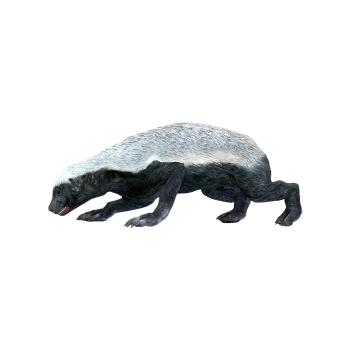
Honey Badger (3D animated model)
192 View
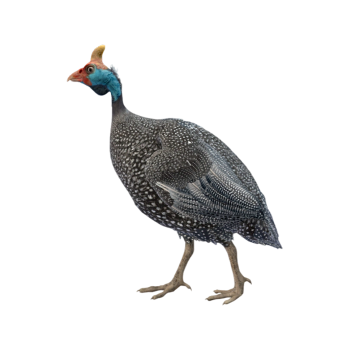
Guinea fowl (3D animated model)
163 View
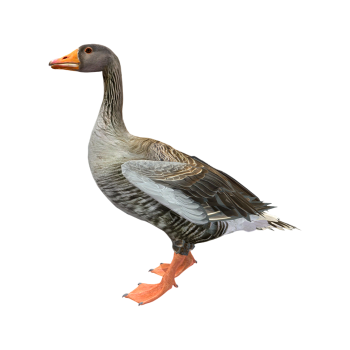
Wild Goose (3D animated model)
185 View
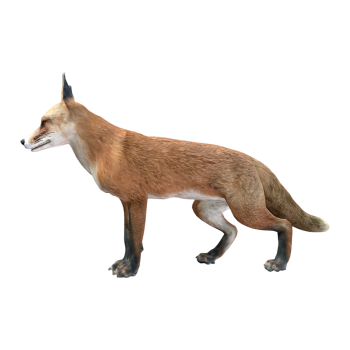
Red Fox (3D animated model)
153 View
Random Model

Rowena Dog 3D Model Animation
824 View


Angel Fish 3D Animation Model
1010 View
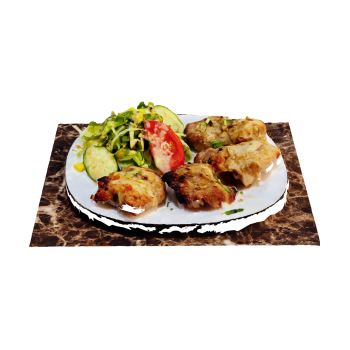
Traditional Indian Food Malai Tikka
849 View

Black Lip Mussel Shell
639 View

Soviet Zenit Photosniper FS-3 camera
706 View
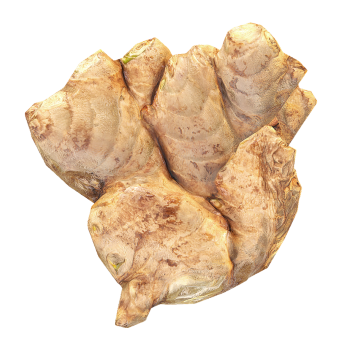
ginger
989 View

Brown bear
845 View


Army Ant 3D Model Animation
778 View